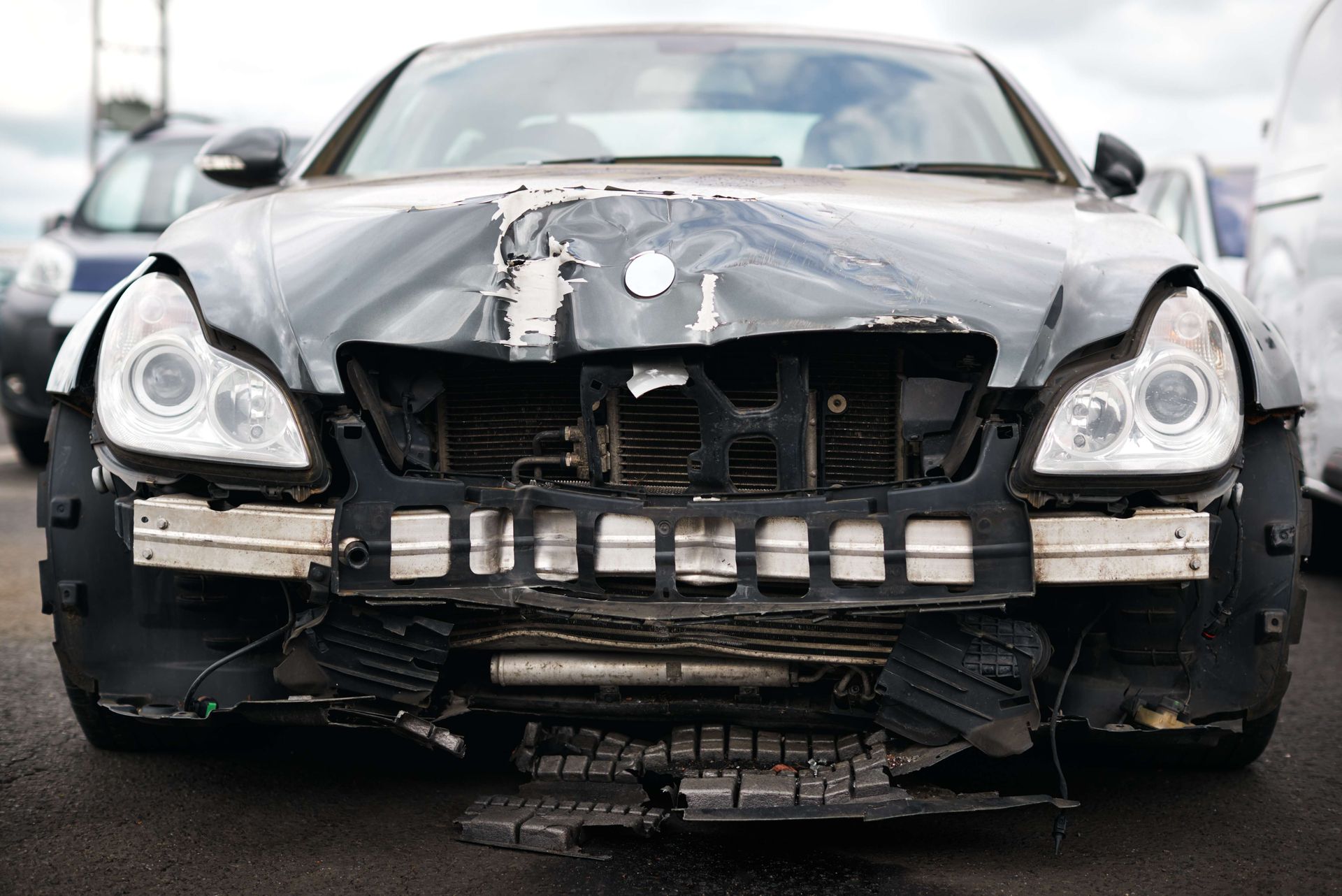
Talking to Insurance Adjusters After a Car Accident in Oregon: What You Need to Know
The accident happened. You're dealing with injuries, a damaged car, missed work, and real anxiety about what comes next. And then your phone rings. It's the insurance adjuster. They're polite. Friendly, even. They say they just want to get your side of the story.
Let me tell you what that call actually is. I've been fighting insurance companies in Oregon courts for years, from Portland to Salem to Ontario to small towns most people have never heard of. I know how this game works because I play the other side of the table every single day. And the first thing I tell every client who calls me is this: that adjuster is not on your side. That call is not about helping you. It's the first move in a process designed to pay you as little as possible.
Here's what you need to know.
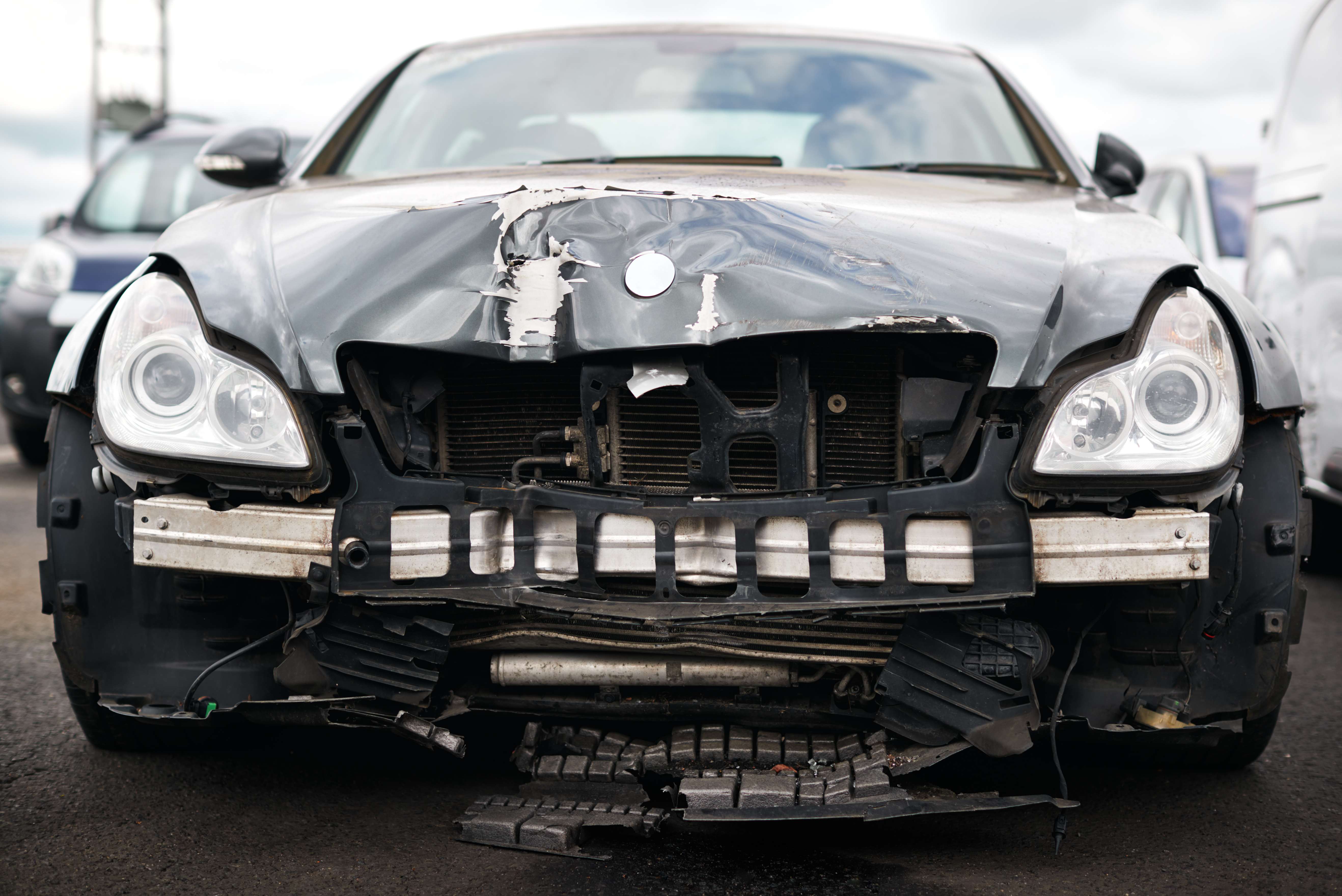
The other driver's insurer will call you within 24–48 hours. That call is not designed to help you.
Why They Call So Fast
It's not a coincidence that the other driver's insurance company calls within 24 to 48 hours — sometimes the same day. They want to reach you before you've talked to an attorney. They want your statement while you're still rattled, before you've understood the full extent of your injuries, and before anyone has told you what your claim is actually worth.
I've said to clients many times: the attorney who engages first shapes what happens. The insurance company understands this. They're acting before the scene is even clear. You should understand it too.
✓ The Rule: Call an attorney before you say anything substantive to the other driver's insurer. Not after. Before.
What They'll Ask You — and Why It Matters
Insurance adjusters are trained interviewers. The questions sound casual. They're not.
"Can you describe what happened in your own words?"
Anything you say about fault — even something innocent like "I didn't see them coming" or "it all happened so fast" — can be used to push liability onto you. Oregon follows modified comparative negligence (ORS 31.600). If you're found even partially at fault, your recovery is reduced by that percentage. At 50% or more fault, you recover nothing. The adjuster is listening for exactly that kind of statement.
"How are you feeling?"
If you say "okay" or "not too bad," that goes in the file. Weeks later, when you're diagnosed with a herniated disc or a concussion with lasting effects, they pull out the transcript. They argue you weren't seriously hurt. That one word — "okay" — just cost you.
"Would you be willing to give a recorded statement?"
You have zero legal obligation to give a recorded statement to the other driver's insurance company. Zero. If they push this, stop the call and contact an attorney.
What You Should — and Shouldn't — Say
Keep it tight. Confirm your name, the date and location of the accident, that you were involved. That's it.
Do NOT say:
- How the accident happened (any description at all)
- Anything about your injuries or how you're feeling
- Any speculation about who was at fault
- Agreement to a recorded statement
- Acceptance of any settlement offer before you know the full scope of your injuries
Simple rule: if you're not sure whether to say it, don't.

Injuries like whiplash and concussion can take weeks to fully appear — don't accept a settlement before you know what you're dealing with.
The Settlement Offer Trap
One of the most common calls I get: "They offered $5,000 and I don't know if I should take it." Almost always, the answer is no. Here's why.
Some injuries don't show themselves for weeks or months. A soft tissue injury that feels manageable week one might need physical therapy for six months. A concussion can carry cognitive effects that aren't obvious right away. The moment you accept a settlement and sign a release, you give up your right to seek more — even if you need surgery next year.
What the first offer really is:
A number designed to close your claim cheaply — before you know what your personal injury claim is actually worth.
That first offer is not their best offer. Don't sign anything without talking to an attorney first.
The Big Firm Game — and Why It Matters to You
There are massive personal injury firms in Oregon spending $200,000 a month or more on advertising. You've seen the billboards. They compete on volume.
I don't operate that way. I'm not running a factory. When you call, you're talking to me — the attorney. I evaluate every case personally. I've driven across this entire state, from Portland to rural Eastern Oregon, representing clients who needed someone who would actually show up.
I've won million-dollar verdicts in Oregon courts. I've taken on the Oregon State Police in a class action. I'm not telling you this to brag. I'm telling you because the insurance company across the table from you has resources, lawyers, and a playbook they run every day. You need someone who knows that playbook and isn't intimidated by it.
When people work with me, they tend to say the same thing: I'm not like a typical lawyer. I'm direct. I tell you how we're going after these people and how we're going to win. Learn more about how I work.
Oregon's Comparative Fault Rules
Under ORS 31.600, if you're partially at fault for the accident, your damages are reduced by your percentage of fault. At 50% or more, you recover nothing.
Insurance adjusters know this. They are actively looking for any statement, any piece of evidence, to argue that you share responsibility. Something as simple as "I was running late" or "the sun was in my eyes" hands them exactly what they need.
How comparative fault works in Oregon:
0–49%
Your fault — you recover, but damages are reduced
50%
Your fault — you recover nothing
51%+
Your fault — you recover nothing
This is why what you say — and what you don't say — matters so much in those first conversations.
Your Own Insurance Company Is Different
You do have an obligation to cooperate with your own insurer. Oregon law and your policy require you to be honest with your own insurance company. Stick to the facts.
But even here — don't minimize your injuries or concede fault you don't actually have. Your own uninsured/underinsured motorist coverage (UM/UIM) can be critical if the other driver didn't carry enough insurance. And in Oregon, a lot of drivers don't.
When to Call Me
If the insurance adjuster has already contacted you after a car accident in Oregon, call an attorney before you say anything more. I've had clients call me the same day of the accident. I've had clients call after they already gave a recorded statement that made their case much harder to win. The earlier you get representation, the better position you're in — full stop.
You Don't Have to Navigate This Alone
The insurance system is designed to be confusing. The adjuster sounds reasonable. The process seems normal. It's not — not for someone who hasn't lived in this world like I have.
Hurt in an Oregon Car Accident?
Call or text Wallace Law Firm at 503-208-2950. Free consultation. No fee unless we win.
Get Your Free ConsultationDon't let a conversation you didn't know you could decline cost you what your case is worth.
You may also want to read: What to Do After a Car Accident in Oregon (Step-by-Step) — and explore more legal resources for Oregon accident victims.