What Happens If the Other Driver Isn't Insured? Oregon Uninsured Motorist Claims
Oregon law requires every driver on the road to carry liability insurance. That requirement doesn't stop people from driving without it, and it doesn't stop people from carrying only the state minimum, which isn't much once you're looking at a serious injury.
So here's the question I get more than almost any other: the person who hit me doesn't have insurance, or their insurance won't come close to covering what happened to me. Now what?
The short answer is that you're probably not out of options. Uninsured motorist coverage is required on every auto policy sold in Oregon, so there is usually a policy that has to respond. But the claim you're about to file looks nothing like a normal car accident claim, and understanding that difference early will save you a lot of frustration.
Key Takeaways
- Oregon requires uninsured motorist (UM) coverage on every auto policy. You can't waive it entirely
- Underinsured motorist (UIM) coverage is part of your UM coverage under Oregon law
- Your UM limits match your liability limits unless you elected lower ones in writing
- A UM claim is a claim against your own insurer, and they evaluate it like any other claim
- Oregon sets a hard two-year clock on UM claims, and your policy may require notice much sooner
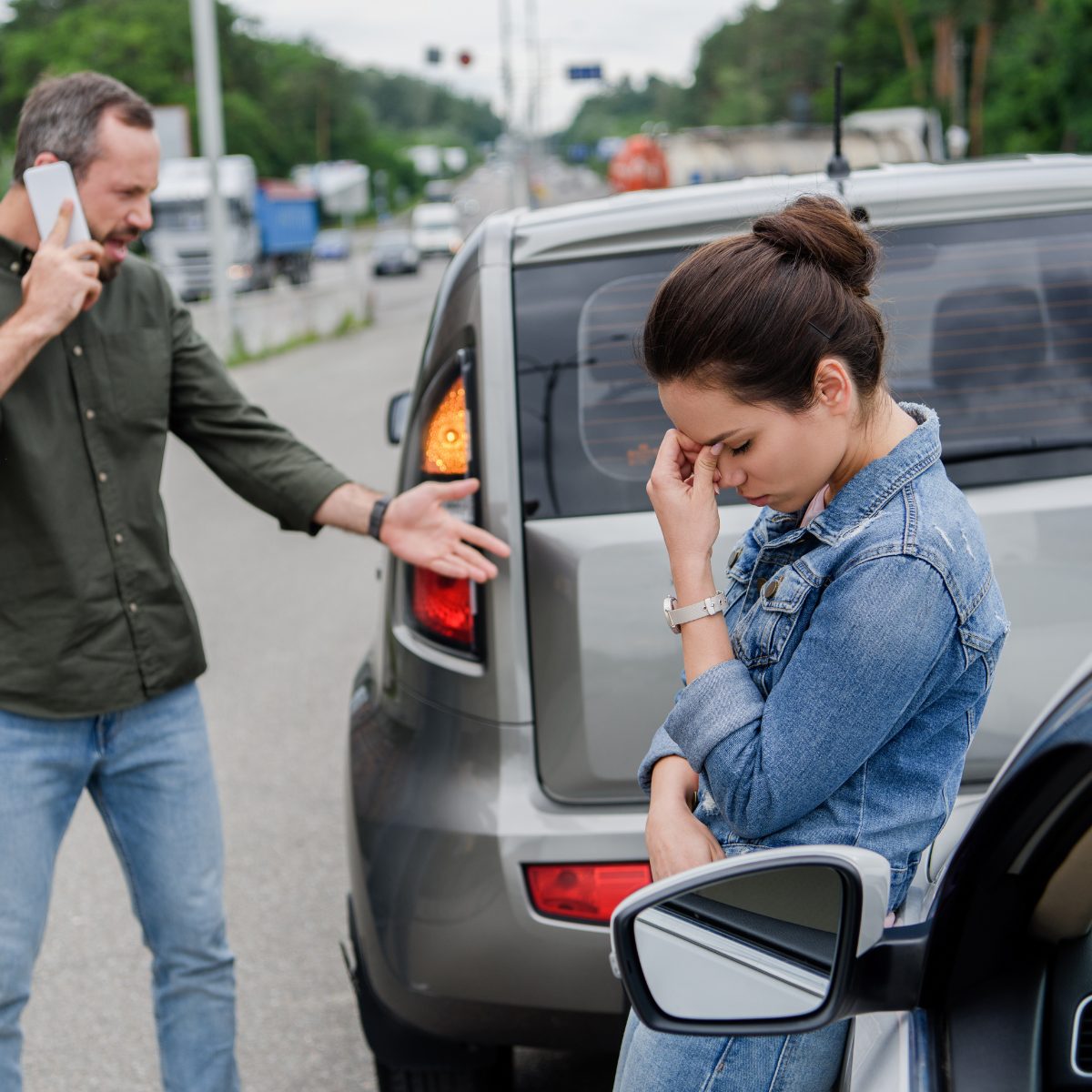
When the driver who hit you has no coverage, your own uninsured motorist policy becomes the claim.
Uninsured Motorist Coverage Is Already Built Into Your Oregon Policy
Oregon requires every auto liability policy issued in this state to include uninsured motorist coverage, usually shortened to UM (ORS 742.502). This is not an add-on you had to think to buy, and unlike in some other states, you cannot reject it outright. A lot of people don't realize they have this coverage at all until they need it, because it's never come up before.
Two details matter once you actually have a claim:
Your UM limits usually match your liability limits
Oregon requires your UM limits to be the same as your bodily injury liability limits unless a named insured elected lower limits in writing. Even then, you can't go below the statutory minimum. So if you carry $250,000 in liability coverage and never signed anything reducing it, you generally have $250,000 in uninsured motorist coverage available to you.
Underinsured coverage comes with it
Under Oregon law, UM coverage includes underinsured motorist coverage (UIM), which applies when the at-fault driver does have insurance, just not enough of it to cover your damages. You don't have to have purchased it separately.
Oregon's minimum required liability limits are $25,000 per person and $50,000 per accident for bodily injury, plus $20,000 for property damage (ORS 806.070). That is the floor for UM coverage too. It is also why so many crashes turn into underinsured claims: $25,000 doesn't go far against a surgery, months of physical therapy, and lost income.
Here's the part that surprises people: this isn't a claim against a stranger. It's a claim against your own insurance company, the one you've paid premiums to, sometimes for years.
Why Your Own Insurer Isn't Automatically On Your Side
This is where I want to push back on the assumption most people walk in with. People expect their own insurance company to treat them differently than the other driver's insurance company would. In my experience, that's not usually how it plays out.
Your insurer is still evaluating your claim the same way any insurance company evaluates a claim: what's the minimum amount we can reasonably pay to close this file? The adjuster you're talking to may be friendly. The company's incentive structure hasn't changed just because you've been a loyal customer. It's the same insurance trap that injured people run into on every other kind of claim.
That means the same mistakes that hurt people in a normal insurance claim (saying too much on a recorded statement, downplaying your own injuries out of politeness, skipping the MRI because conservative treatment seemed like the responsible thing to do) hurt you just as much in a UM or UIM claim. If anything, insurers scrutinize UM claims more closely, because there's no third party to eventually blame.
Your own insurer can also argue that you were partly responsible for the crash, which reduces what they owe under Oregon's comparative fault rule. Being the customer doesn't take that argument off the table.
What to Do Immediately After a Crash With an Uninsured Driver
Get the police report, even if it feels unnecessary
If the other driver has no insurance, the police report becomes one of your only pieces of independent documentation that a crash happened, who was involved, and what the responding officer observed. Don't skip this step because the other driver asks you to "just handle it between us."
Report the claim to your own insurer promptly, and be precise
This is a formal claim against your policy, and how you describe the accident and your injuries in that first conversation matters. Most policies also contain their own notice deadlines that run much shorter than the legal deadline.
Get real medical documentation, starting with imaging if your symptoms warrant it
An MRI, ordered by a chiropractor or medical doctor, remains the gold standard for documenting the kind of soft tissue and disc injuries that car accidents commonly cause. Conservative, undocumented treatment is exactly what an insurer, including your own, will point to later as evidence your injuries weren't serious.
Find out whether the at-fault driver has any coverage at all
Many "no insurance" situations are actually underinsured situations: there's a policy, it's just too small to cover a serious injury. That distinction changes how your claim gets structured, and settling with the other driver's insurer before your own carrier signs off can jeopardize your UIM claim.
The Deadline Most People Don't Know About
Uninsured motorist claims have their own clock, and it's easy to miss because nothing about a friendly claims process feels like litigation. Under ORS 742.504(12), within two years of the crash one of these has to happen: you and the insurer agree on the amount due, arbitration is formally instituted, you file an action against the insurer, or you file suit against the uninsured driver (in which case the claim against your insurer has its own follow-on deadline).
Two years sounds like plenty of time. It isn't, when treatment is ongoing and an adjuster is taking weeks to return calls. Your policy may also require written notice of the claim within a much shorter window, and missing that notice provision can cost you the claim even though the statute hasn't run.
Why This Is Not a Do-It-Yourself Claim
I sign up every car accident case, including the ones that look bad on paper, because there's almost always more there than people assume. UM and UIM claims are a category where that's especially true. People assume that because there's no other driver to sue, there's no real claim to make. That's backwards. The claim exists; it's just directed at a company whose entire business model depends on paying out as little as possible.
An attorney negotiating a UM claim brings the same leverage to that conversation that they would bring against any insurance company: a track record, the willingness to go to arbitration or trial if the offer doesn't reflect the injury, and an understanding of exactly which documentation makes a claim undeniable. I handle these claims for people throughout Oregon, including Portland and the surrounding metro area.
Hit by an Uninsured or Underinsured Driver? Don't Take the First Offer.
Being hit by a driver with no insurance, or not enough of it, doesn't leave you without a claim. It changes who you're negotiating with, not whether you have a case. Before you accept whatever your insurer first offers, talk to our office. The consultation is free. Or call directly: 503-208-2950.
Frequently Asked Questions
Does every Oregon auto insurance policy include uninsured motorist coverage?
Yes. Oregon requires uninsured motorist coverage on every auto liability policy issued in the state, and you can't opt out of it entirely. A named insured can elect lower UM limits in writing, but never below the statutory minimum of $25,000 per person and $50,000 per accident. If you're not sure what you have, your declarations page will show it, or your insurer can confirm it over the phone.
What's the difference between uninsured and underinsured motorist coverage?
Uninsured motorist (UM) coverage applies when the at-fault driver has no insurance at all, and it also covers hit-and-run crashes where the driver is never identified. Underinsured motorist (UIM) coverage applies when they have insurance, but the limits aren't enough to cover your damages. In Oregon, UIM is part of your UM coverage rather than a separate purchase.
Can I still be found partially at fault in a UM claim?
Yes. Oregon's comparative fault rules still apply, and your own insurer can still argue you share some responsibility for the accident to reduce what they owe. If you're found more than 50 percent at fault, you recover nothing.
Do I have to sue my own insurance company to get paid on a UM claim?
Not always. Many UM and UIM claims settle through negotiation. But if the insurer won't offer a fair number, arbitration or a lawsuit against your own policy is sometimes the only way to get full value, and having an attorney signals you're prepared to go that route.
How long do I have to file an uninsured motorist claim in Oregon?
ORS 742.504(12) requires that within two years of the accident you either reach an agreement with the insurer on the amount due, formally institute arbitration, file an action against the insurer, or file suit against the uninsured driver, which carries its own follow-on deadline. Your policy may also require written notice of the claim much sooner, so treat the deadline as a question to answer early rather than late.
What if the driver who hit me fled the scene?
A hit-and-run is treated as an uninsured motorist claim, because there's no identified driver or policy to pursue. Reporting the crash to law enforcement promptly matters more than usual here, since your insurer will look closely at whether the phantom vehicle can be corroborated.
David Wallace is a personal injury attorney at Wallace Law Firm, PC in Portland, Oregon. This article is for general informational purposes and does not constitute legal advice. Statutes and policy language change, and every claim turns on its own facts; please contact David directly to evaluate your specific situation.